2018 Season: A glimpse into the archaeological training of the Islamic Baydha Project

Micaela Sinibaldi Islamic Baydha Project, season 2018 The Islamic Baydha Project offers archaeological training to all its team members, including Jordanians and international trainees and volunteers. Participants are trained personally by the Project Director, Micaela Sinibaldi, on all activities, which include: Techniques of archaeological excavation Techniques of documentation of excavated stratigraphic units: use of forms for description and documentation of the stratigraphy as well as drawing of the units on a top plan and on sections. Techniques of documentation of Buildings Archaeology, including the description of the  stratigraphy and of the building styles of architectural stratigraphic units and their documentation on top plans and elevations. Creation of a Harris Matrix of stratigraphic units and architectural stratigraphic units Artifacts analysis: preliminary…

The Making of a Pasha: Charles Moore Watson

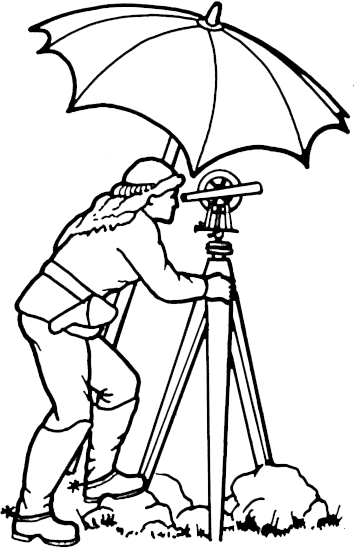
Dr Michael Talbot  Lecturer in the History of the Ottoman Empire and Modern Middle East, University of Greenwich  BBC & AHRC New Generation Thinker  ‘My dear Watson,  Long live the Pasha! May Your Excellency enjoy every bliss, and flourish like the palm in which the doves sit and sing their love songs.’   Herbert Kitchener, cited in Stanley Lane-Poole, Watson Pasha (1919)  With this rather teasing note, Herbert Kitchener congratulated Charles Moore Watson on being awarded the rank of mirliva, or major-general, in the Egyptian army in 1885. This high office came with the Ottoman title pasha, with the result that Watson would ever be known as “Watson Pasha“. An engineer by training with an interest in surveying, Watson was keen supporter of the Royal Geographic Society. A visit to Palestine in…

Back to London

OmarJoseph Nasser-Khoury [Birzeit University – Palestine]  At the risk of using a cliché, I find it a bit hard to believe that a year has already passed since the start of the first phase of the project ‘Documentation of the British Museum’s Palestine Textiles Collection.’ I remember the frantic last minute proposal writing and organising efforts communicated through past–midnight e-mails fired back and forth across the world. Not much has changed; especially not the frenzy or past-midnight e-mails! Indeed, the excitement is reassuringly undiminished and chaos as always, reigns supreme. Now as I prepare for my return to London to resume the second, and possibly final, phase of the project, I reflect on last year’s experience.  In 2018, I spent more than four months at the British Museum and updated…

The Stonemasons of Beit Jala: Making the Stones Speak

By Dan Koski [part 2 of 2] Fawzy Nastas of Beit Jala is one of the most prolific stone sculptors in the West Bank. Having first learned his trade as an apprentice to his father during the renovation of the Church of the Holy Sepulchre in the 1960s, he is the third stonemason within four generations (his grandfather having fled the country due to mass conscriptions into the Ottoman Army). Fawzy speaks English with a soft Italian accent; a remnant of the many years in which he studied stonemasonry in Italy. His workshop is witness to over five decades of consistent work in the Holy Land and abroad; commemorative grave markers for the Christian deceased, a veritable iconostasis of stone…

2017 Season: Islamic Bayda Project

In October/November 2017 the Islamic Bayda Project has carried on its fourth season of archaeological excavations at Khirbet Bayda in Petra. The project, which I direct since its outset and is affiliated with the Council for British Research in the Levant, in season 2017 had a duration of 4 weeks.  The Islamic Bayda Project, part of a larger project, which I also lead, The Late Petra Project, is a project of excavations, surveys, conservation, training and community engagement. In season 2017, we returned to the two mosques at the site, which are also the only two mosques ever excavated in Petra, therefore important witnesses of the Islamic-period settlement in Petra. After removing the backfill, we completed the study of Mosque…

2016 Season: Excavating the best preserved mosque in Petra

Micaela Sinibaldi  The third season of the Islamic Bayda Project took place in July-August 2016 and was again affiliated with the Council for British Research in the Levant. The Palestine Exploration Fund has generously co-funded the project since its first season; this support has been essential to reaching our important results. This season, a larger team was in the field than in former years. In addition to a team of international and Jordanian volunteers, archaeology students from Cardiff University joined as part of their courses and trained in the activities of archaeological documentation and excavation. As usual, the project included local team members from the Ammarin tribe from Bayda, whose experience in excavating in Bayda from the former seasons was…